by Halfdan Temple
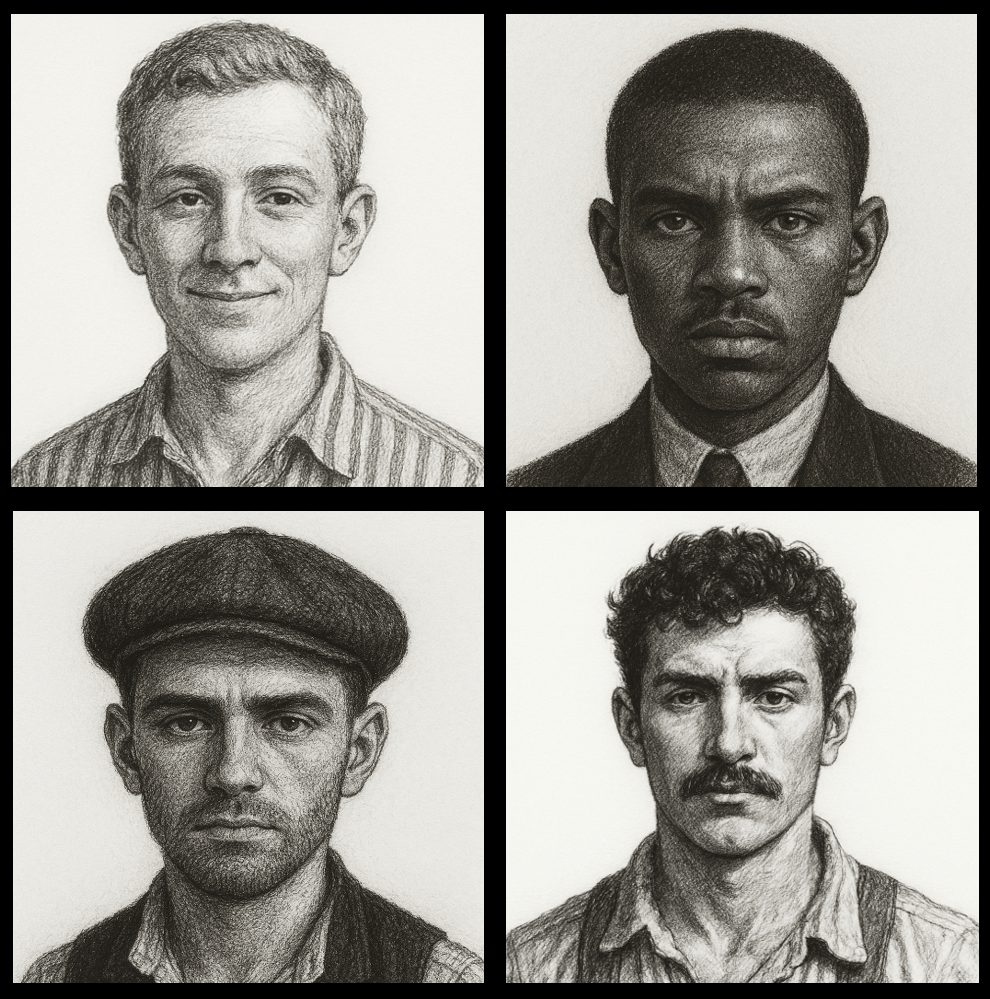
Can you dream about your own future, when the shadow of the mafia clears? For four mafiosi i 1920s Palermo, the choice falls between family loyalty, their own destiny, and the needs of their best friends.
Participants: 4
Game Facilitators: 1
Total time: 4 hours
Language: Danish/English
Age limit: 13+
How much to read: 4 pages. Characters will be available as audio
Palermo, 1925. Mussolini’s fascist police has declared war against the mafia. In the ensuing chaos, we find four young men, who have been swept into the organized crime of the Corrado-family from a young age. The men, who have only ever had each other to lean on, now watch the foundations of the mafia crumble beneath their feet. For the first time, maybe they can imagine a fate without being under the gaze of Don Corrado. However, the Don isn’t ready yet to let go of the business and family he has built. Maybe it’s less risky to continue obeying, and to hope that the family can hold the line against the fascists.
Are you even able to dream about your future, when you’re stuck under the systems of others? Who is willing to prioritize their own goals over the people, whom they owe everything?
Omertá is a historically inspired drama-storytelling game, where the loyalty of the roles gets pulled in every direction, while they fight to win back their agency among the collapsing social structures.
- Marfia
- Brotherhood
- Control
Content notes
Violence, crime, alcoholism, and references to racism
Type of participant:
You enjoy storytelling games, in which you are just as invested in the other players’ internal conflicts as you are your own, and where the roles are not each other’s enemies. You love making tough decisions, that influence the other players’ fates, and you’re not too proud to beg for forgiveness at the boss’s feet.
Type of game facilitator:
You enjoy putting the players front and center while taking a back seat, right until you need to make a dramatic entry as a few important side characters. You like keeping track of the players’ choices, and you love to show them the consequences of their actions.