by Claudia Kabell & Peter Dalby
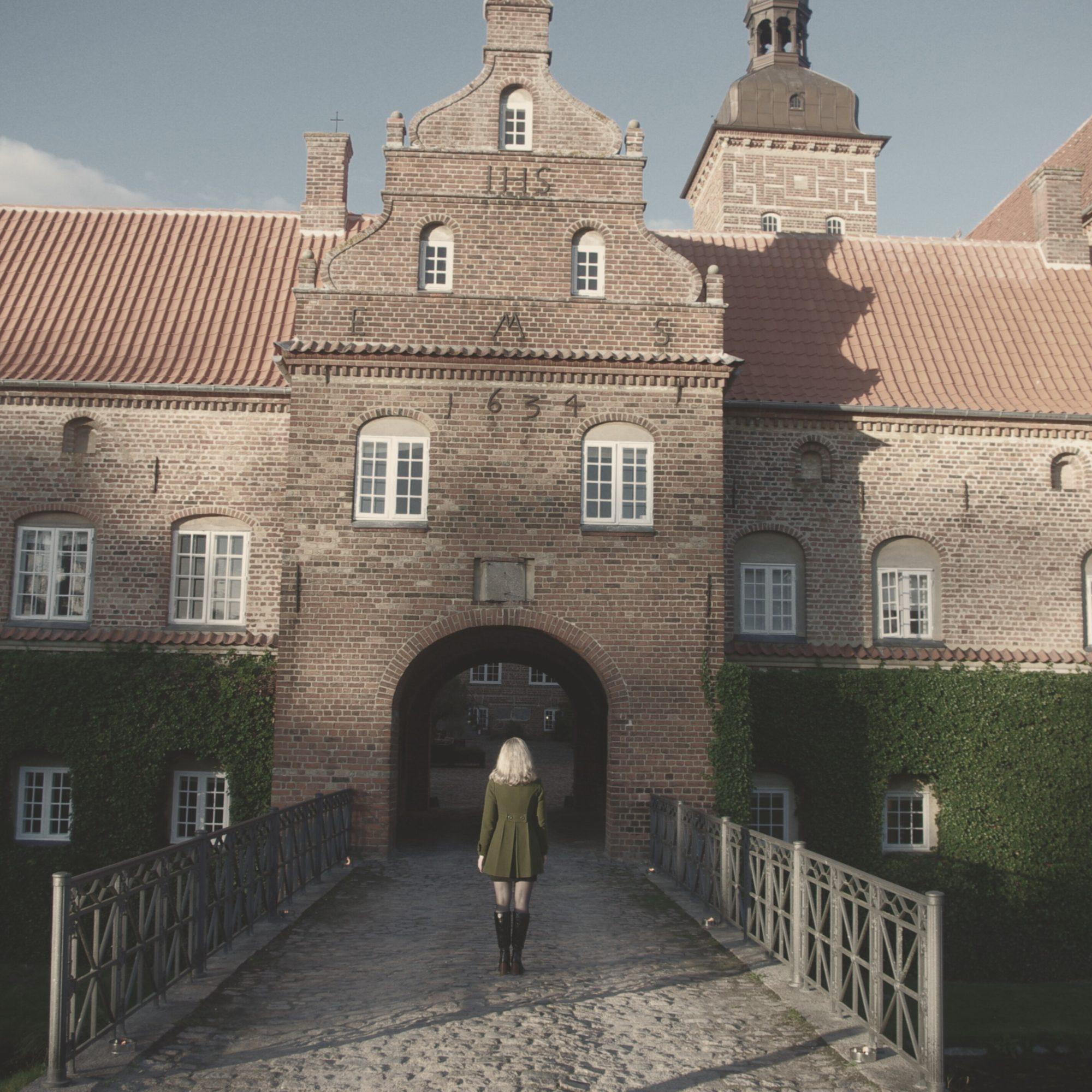
An intense generational drama about a noble family of mothers and daughters, where shame and guilt are passed down through the generations. Explore the family estate and the question: What makes a good mother, and can one break free from a legacy of homesickness?
Participants: 3
Game Facilitators: 1
Total time: 4 timer
Language: Danish
Age limit: 18+
How much to read: 5 pages
Homesick is about Pauline, a homesick woman who explores the history of her noble family and the legacy of inadequate mothers that shaped her. Room by room, she moves through the family estate, uncovering secrets from the 19th century onward, from seafaring routes to the Danish West Indies to the rise of cultural radicalism.
The scenario is a moving journey through generations of women at the top of society and the conditions that shaped their motherhood. Pauline examines what it means to be loved by a mother or to grow up without that love- mother after mother after mother. Can she change both her own and her daughter’s future? Or is the family doomed to an eternal homesickness?
Each act takes place in a new time period, alternating between scenes played as mothers and daughters of the past, the present-day Pauline, and the legacy that has shaped the women for generations. Men are largely absent from this story and are mentioned mainly as sources of conflict. The scenario is inspired by “What Remains of Edith Finch” and Tove Ditlevsen’s family history.
- Motherhood
- Legacy
- Women's History
Content notes
This scenario deals with sensitive and potentially distressing themes, including postpartum depression, abuse, suicide, forced adoption, forced marriage, violence against women, and murder.
Type of participant:
You enjoy playing both intense and quiet, emotionally sensitive scenes, taking on several short roles and weaving their stories into a larger narrative. You like sharing the development of a main character with other players while exploring a part of Danish women’s history that was never written down.
Type of game facilitator:
You enjoy weaving together a larger narrative from many small stories, within a frame where past and present constantly intertwine. You love creating the atmosphere of different eras and want to run a scenario where the story is supported by different game mechanics.