In this medium-weight game, players take on the role of mafia families, trying to take control of a city. The game is about worker placement and area control, with the twist of a day/night cycle, which controls the order of play and dynamically makes spaces on the board available and unavailable.
Presentation
Duration: 60-90 minutes
Player count: 3-5
Language: English
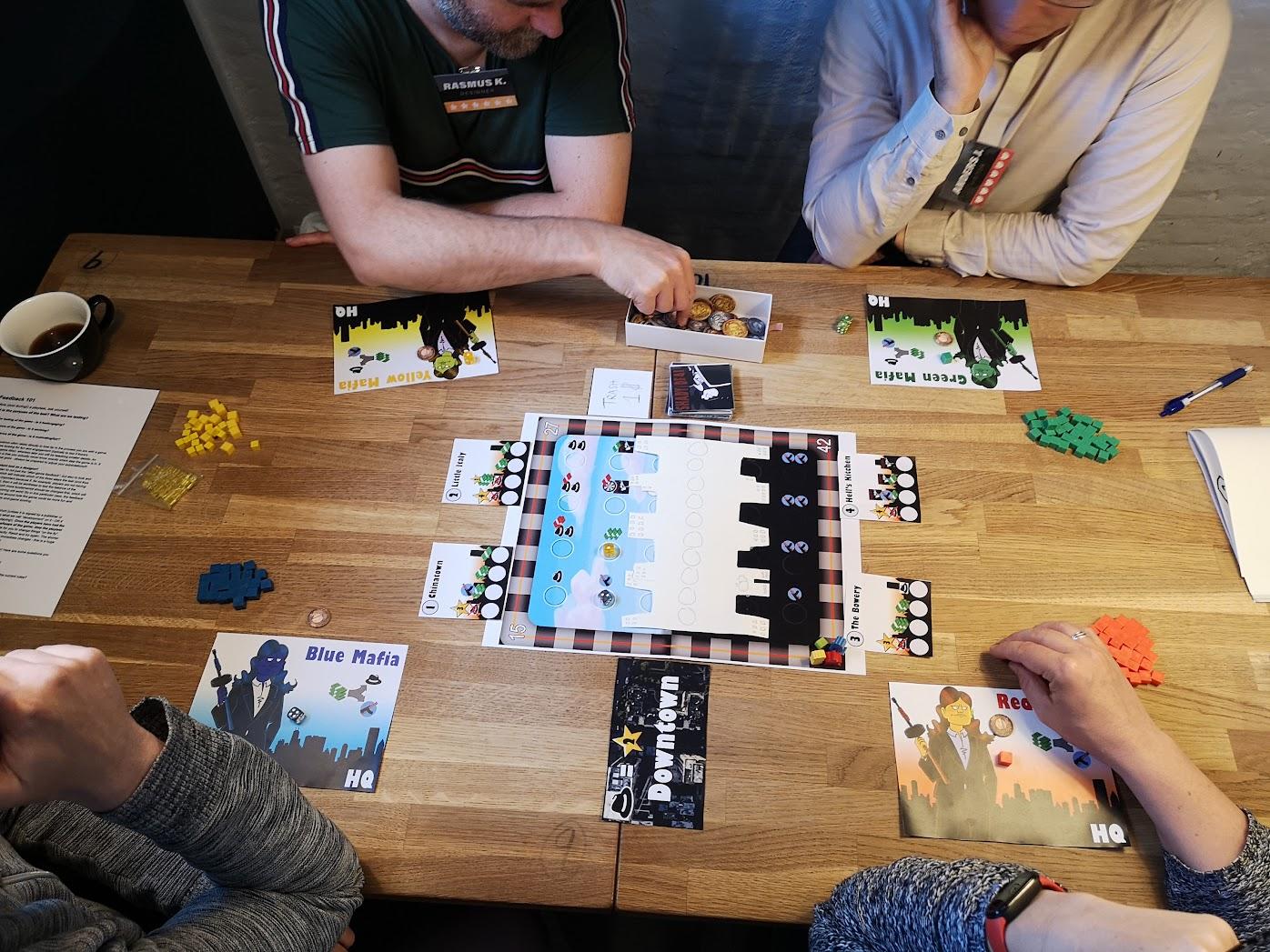
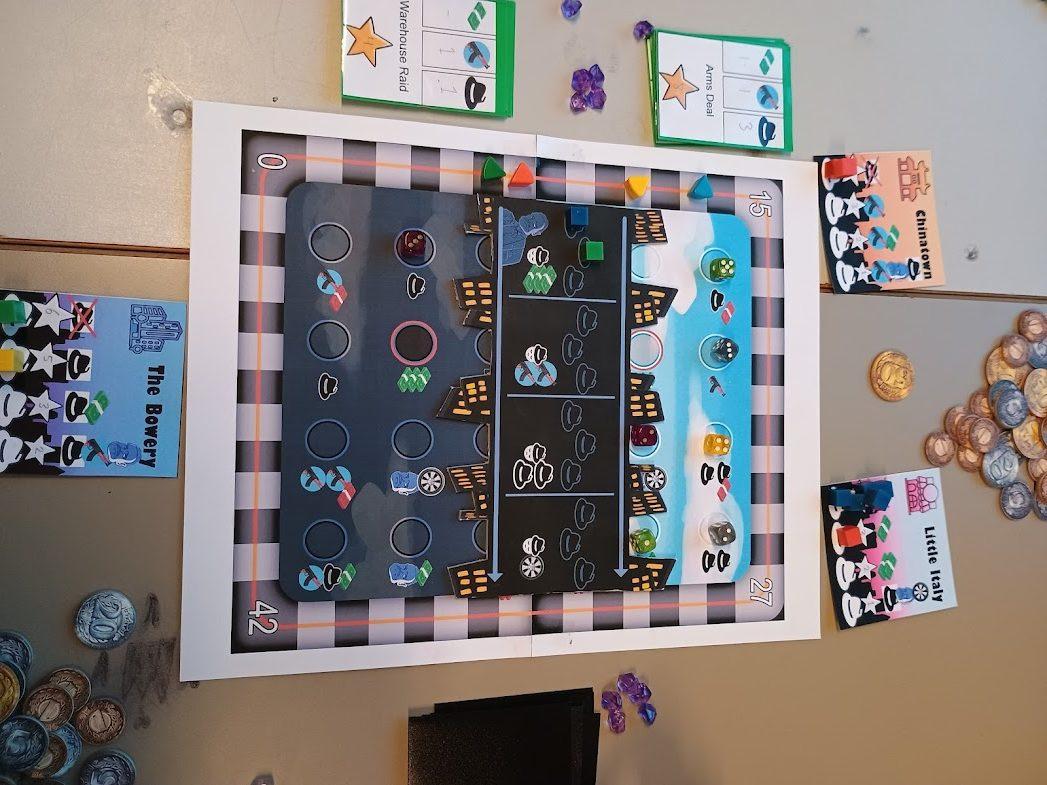
Dusk Till Dawn: Mafia Families of Raccoon City is a worker/dice placement game that uses a day/night cycle to make a significant twist to the genre. On top of the board is a skyline tile that obscures half the spaces on the board. This tile moves back and forth, revealing and obscuring spaces dynamically, but more importantly, it controls the order of play. Placing your worker in front of the tile will give you another turn quickly, but might lock you out of certain key spaces. This means that every action you make in the game carries the double significance of moving to a relevant space (to get relevant resources) and placing yourself in the turn order moving forward.
When the skyline tile reaches the end of the board, it triggers a scoring round, where the player who controls certain districts of the city gains points. This creates a flow to the game, where it is always building towards the next climax, and players try to get their pieces into position to make the most of it.
In addition to the area control aspect of the game, players can undertake missions as a second avenue of gaining victory points. Everything revolves around the movement of the dice on the board, which creates a simple central mechanic, from which several different strategies can be pursued.
The game is easy to pick up, offers a solid mid‑weight challenge, features a touch of direct interaction, and gives players plenty of opportunities to pull off big, satisfying plays.
About the designers
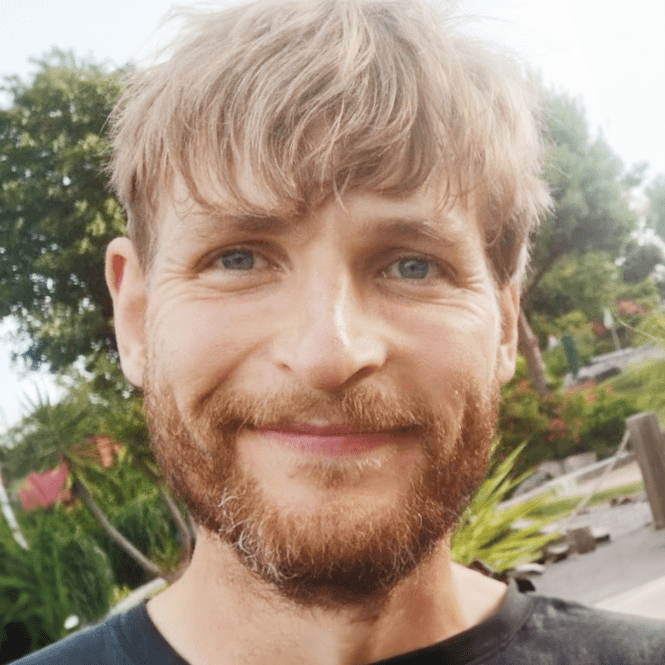
Peter Langkjær Møller: I have been designing games for about 7 years, with a single one published so far: Black Hole Buccaneers from Pegasus Spiele in 2023. I typically design light to medium games and most often card games. My favourite mechanic is push-your-luck, and the game I dream of designing can be poured out of the box onto the table and doesn’t require any rules explanation at all.
Rasmus Hemme Hervig: My design journey began in Cambridge, UK, back in 2015, where I first immersed myself in boardgame design. I create whatever sparks my interest, though I tend to gravitate toward light to mid‑weight games—and occasionally children’s games. I now live just outside Copenhagen with my wife and our two daughters. By day, I work as an IT consultant for the Copenhagen Municipality, so game design remains a passion project that consumes much of my spare time. I recently had a game signed for release in 2027, and I can’t wait to show my daughters a published game I made.